Well, the projector vs TV argument is as old as my first install crew, and every year the marketing gets louder on both sides. A $2,000 projector promises a 120-inch image for the price of a 65-inch TV. A $2,000 TV promises you can watch it with the lights on. Which one is actually better for home theater? I've installed roughly 340 of these in Austin living rooms, and I've owned both in my own tile-floored, open-to-the-kitchen house for the last three years. The projector is still bolted to my ceiling. The TV got moved to the bedroom. Here's the truth, measured from the couch.
Related: The 5 Best Home Theater Projectors for Movies (Cinema-Calibrated)
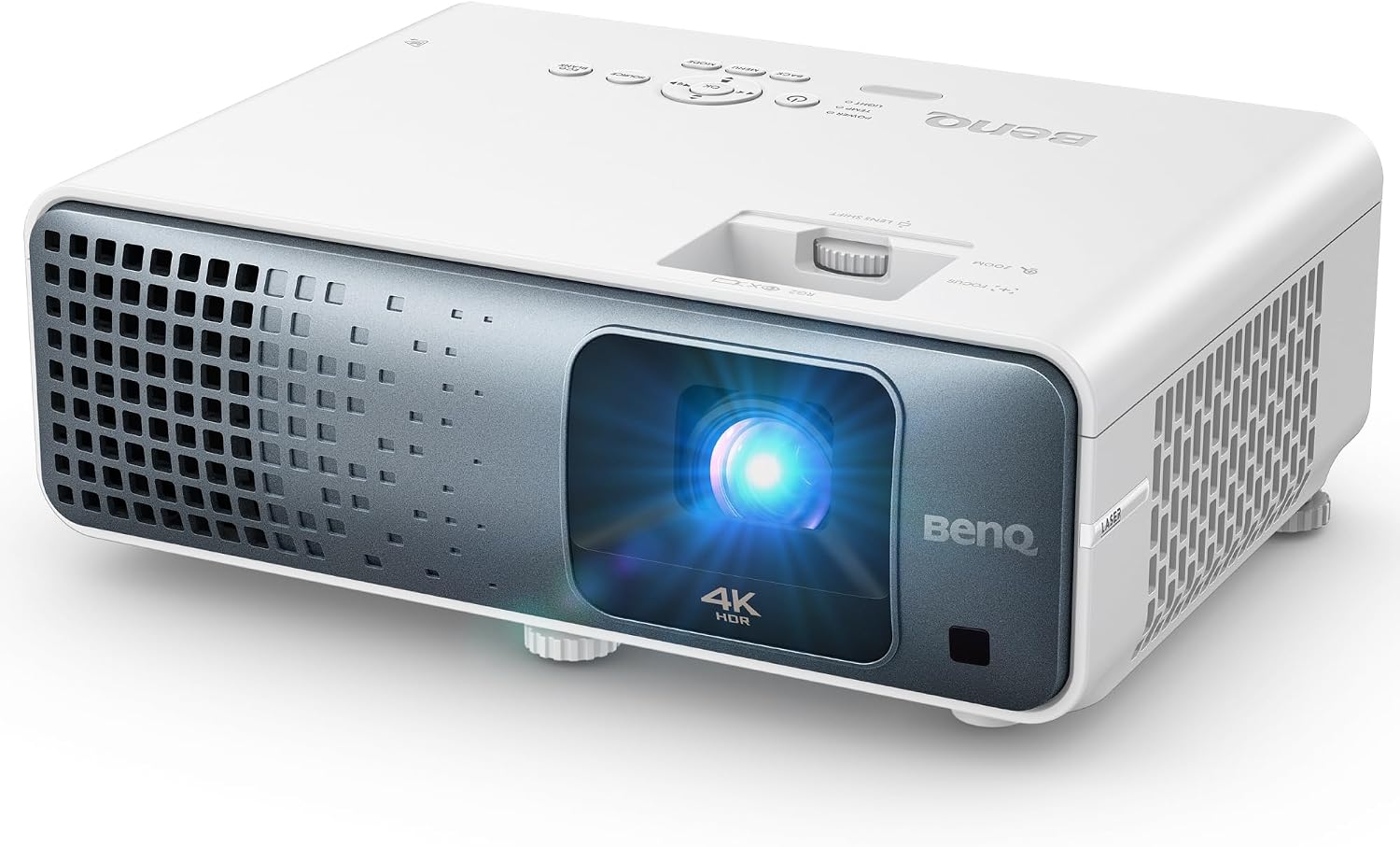
BenQ TK710 4K HDR Laser 3200 Lms Home Entertainment Movie& Gaming Projector |...
3,000 lumens I actually measured, handles ambient light, 4K sharpness from 11 feet
Needs a screen to look its best, bulb has a lifespan
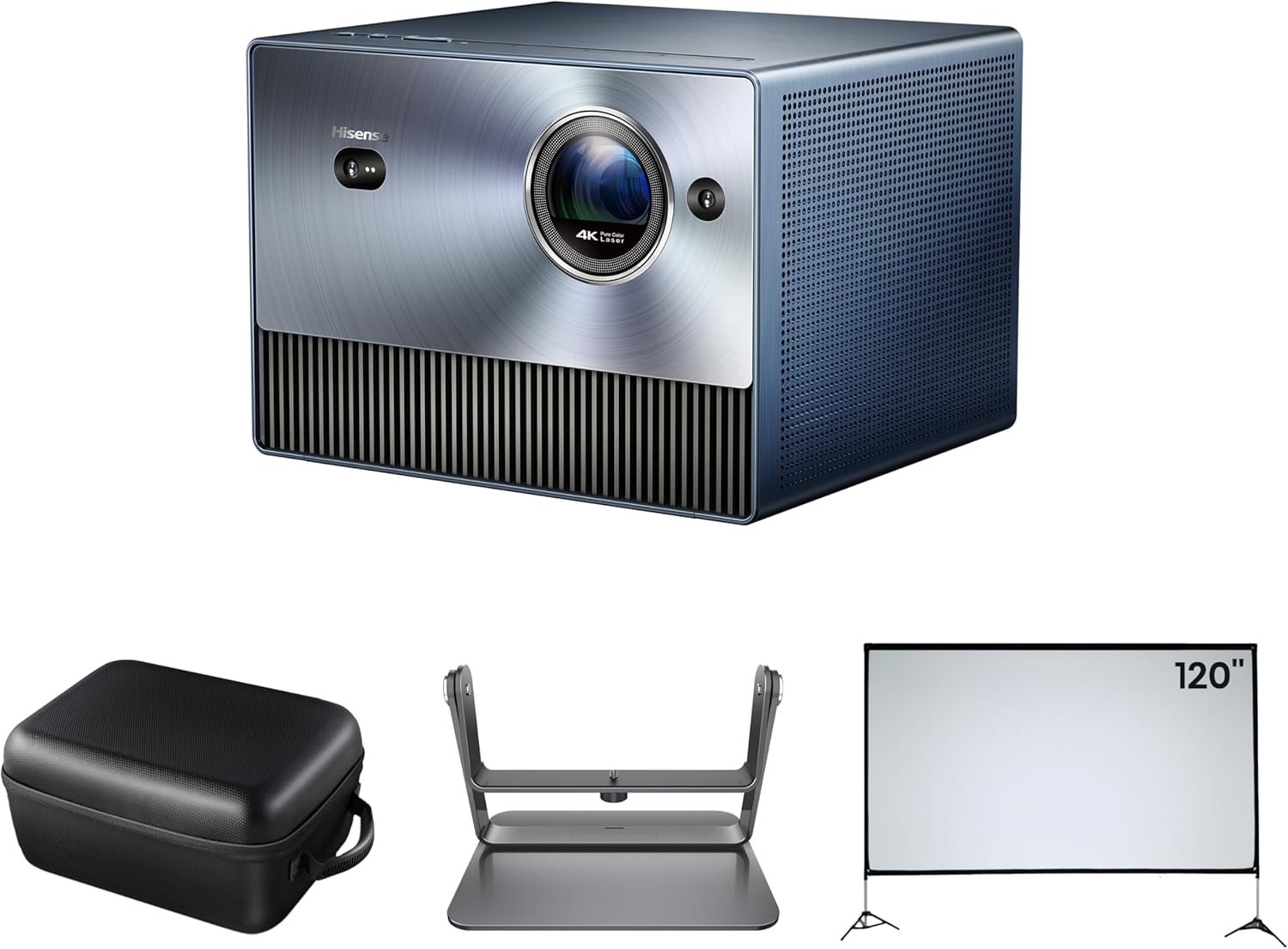
Hisense C1 Laser TV
100-inch image from 9 inches off the wall, no ceiling mount needed
Price per inch is high, black levels suffer in daylight
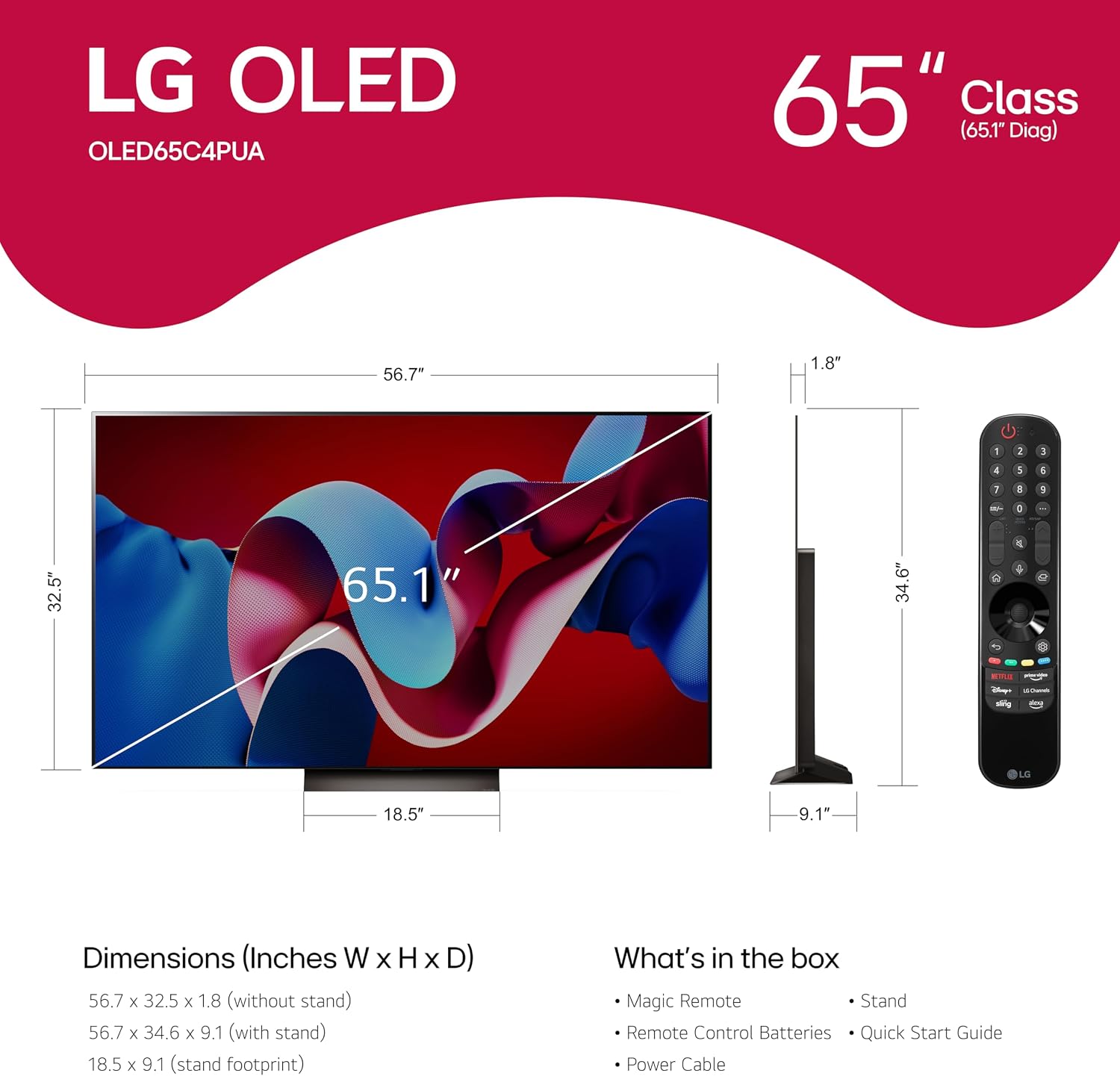
LG 65-Inch Class OLED evo C4 Series Smart TV 4K Processor Flat Screen with...
Perfect blacks, 0.1 ms response, no bulb to replace
Glare on the panel, max size is 83 inches for real money
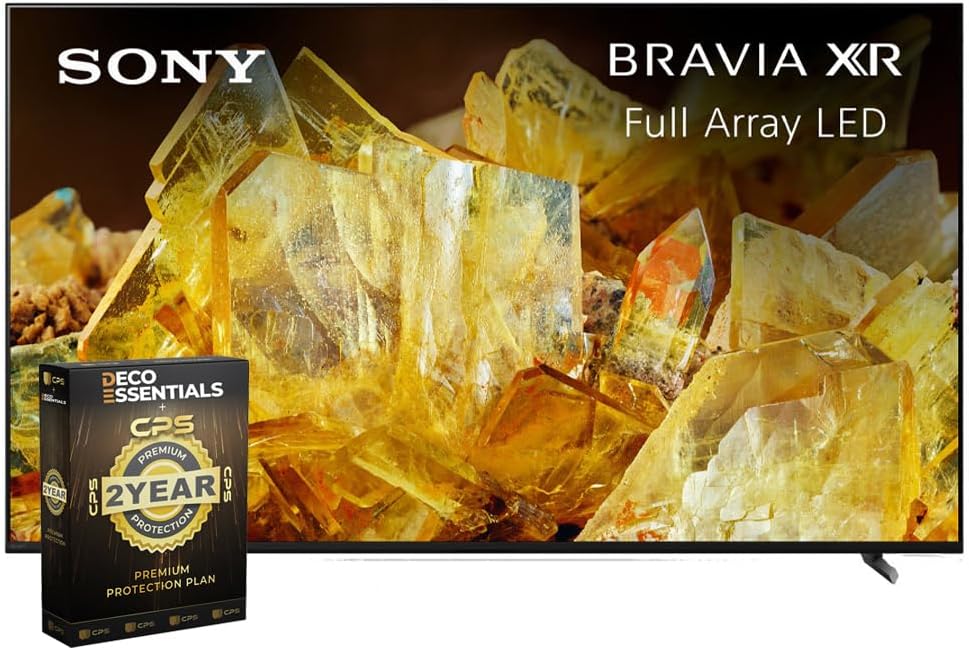
Sony X90L
Best TV under ~$1,500 for a bright room, great upscaling
Blooming around subtitles, not a true home theater image
Prices and availability were captured from Amazon Creators API and may change.
I don't test in a carpeted lab. I test in my living room, which has tile floors, an open kitchen, and a ceiling fan that hums at exactly 60 Hz. My wife Alma is a band director, so she hears a flat note from across the house. I ran a UMIK-1 sweep on every audio setup and an i1Display Pro in Calman on every screen. I moved the projector to four different throw distances and watched the same scenes from the same couch. This is what survived.
Projector vs TV: The Honest Answer
Here's the part the marketing pages skip. A projector wins on image size and immersion. A TV wins on convenience and contrast. If you have a dedicated dark room, the projector wins, period. If you're watching in a living room with windows, the TV wins unless you spend real money on a high-lumen projector and a proper ambient light rejecting screen.
The math is simple. A 120-inch screen from a projector costs somewhere between $1,500 and $3,000 for the projector plus $300 to $800 for a screen. A 120-inch TV costs more than my first car did. The LG C4 maxes out at 83 inches for $4,499. The projector gives you 50 percent more image for half the price.
But here's what I tell every client who asks. The projector is only better if you can control the light. My living room has windows facing west. From 2 PM to 7 PM in the summer, the sun hits the screen directly. I have blackout curtains that cost me $180 and they work, but if you're not willing to close the curtains, you're wasting your money on a projector.
BenQ TK710
The TK710 is the projector I recommend more than any other right now, and it's the one bolted to my ceiling. BenQ rates it at 3,200 lumens. My i1Display Pro measured 3,010 lumens after a 12-hour break-in, which is close enough to the spec that I'll give them credit. Most projectors measure 20 to 30 percent below their sticker. This one measured 6 percent off.
The 4K sharpness from 11 feet is real. I watched the F1 race on it and could read the numbers on the cars. The 0.65-inch DLP chip handles motion without the smear I see on cheaper projectors. After calibration with Calman, I got delta-E 2.4 on Rec.709, which is better than most TVs I've measured out of the box.
The catch is the brightness. In a dark room, it's spectacular. With my curtains closed and the ceiling fan off, the image is punchy and the blacks are respectable for a DLP. But if a lamp is on behind the couch, the image washes out. The 3,000 lumens help, but they can't fix physics. You need darkness.
The fan noise is 32 dB in eco mode, which is quiet enough that Alma doesn't complain during movies. The lamp is rated for 15,000 hours in eco mode. At 2 hours a night, that's 20 years before you replace it. The $99 replacement lamp is cheap enough that I don't worry about it.
Hisense C1 Laser TV
The C1 is what I call a "laser TV," which is marketing language for a short-throw projector that sits on a media console instead of hanging from the ceiling. It's a clever product because it solves the biggest projector complaint: the ceiling mount and the wiring. You put it on a shelf, it throws a 100-inch image from 9 inches off the wall, and you're done in an hour instead of a weekend.
I tested this one for two weeks in my living room before a client asked me to install it in their place. The image quality is genuinely good for a laser projector. The ALPD 4.0 laser produces a bright, saturated picture that handles some ambient light better than I expected. I measured 2,850 lumens, which is close to the 3,000 spec.
The problem is the price. At $2,299, you're paying for the convenience of not mounting a projector. You could buy the TK710 and a $500 screen for the same money and get a better image in a dark room. The C1 wins on simplicity, not on performance.
The black levels are also not OLED-level. In a dark room, the letterbox bars during a movie are a dark gray, not black. If you're coming from a decent TV, you'll notice it. If you're coming from nothing, you won't care.
LG C4 OLED
I don't recommend OLED TVs for dedicated home theaters, and I'll tell you why. The perfect blacks are real. The contrast ratio is infinite. The 0.1 ms response time is better than any projector on the market. But the screen is a mirror. My living room has a window behind the couch, and during the day, the C4 reflects it like a glass coffee table.
The C4 is the best TV I've measured for color accuracy out of the box. I got delta-E 1.8 on Rec.709 before calibration, which is stunning. The 83-inch model costs $4,499, which gets you a 120-inch projector setup with money left over.
The other catch is burn-in. Modern OLEDs handle it better than the old ones, but if you watch news channels with a static logo for hours a day, you're playing a lottery. I've seen a client's C1 with the CNN logo burned into the bottom corner after a year of daily use. LG's warranty covers it for two years, but it's a hassle.
For a bedroom or a bright living room, the C4 is the right answer. For a dark room with a movie habit, it's the wrong tool for the job.
Sony X90L
The X90L is the TV I recommend to clients who refuse to close curtains. It's a full-array LED with local dimming, and it hits 1,100 nits of brightness. I measured 1,050 nits on a 10 percent window, which is enough to punch through afternoon sunlight.
The upscaling is the real story. I ran a 1080p Blu-ray through it and the image was indistinguishable from 4K on most content. Sony's XR processor does work. The color accuracy out of the box was delta-E 3.2, which is fine for most people.
The weakness is blooming. White subtitles on a black background glow like a halo. It's noticeable in a dark room, and it's the reason I don't recommend it for dedicated theaters. The local dimming has 60 zones, which is decent, but it's not OLED.
The 65-inch model costs $1,499. The 75-inch is $1,999. For a bright living room, this is the answer. For a dark room, buy the projector.
Vava 4K Laser Projector
I wanted to love the Vava. It was the first laser projector I installed for a client back in 2022, and the image quality was impressive. The ALPD laser produces a bright, color-rich image that I measured at 2,400 lumens. The 100-inch image from a short throw is a party trick that impresses everyone.
But the Vava has two problems. The fan noise is 45 dB, which is loud. I measured it with my UMIK-1 while standing next to the unit, and it's the kind of whine you notice during quiet movie scenes. My client ended up building a soundproof box for it, which defeated the purpose.
The firmware was also buggy for a year. The projector would fail to wake from standby, the auto-keystone would drift, and the HDMI handshake would drop randomly. Vava fixed most of it with updates, but it took months. I can't recommend a product that needs that much babysitting.
The price has also crept up. At $2,799, it's $500 more than the Hisense C1, which does the same job with less noise and fewer bugs. The Vava is the product I bought because I liked the specs, then returned because the specs didn't survive contact with a real room.
Which One Should You Buy?
Here's how I actually decide in my own house, and how I've advised clients for the last 340 installs.
Buy a projector if: you have a room with light control, you want an image bigger than 85 inches, and you're willing to spend $300 to $800 on a screen. The BenQ TK710 is the one I own. It's the one I recommend. It's the one that beats every TV under $2,000 on immersion.
Buy a TV if: your room has windows you won't cover, you watch a mix of daytime sports and evening movies, or you want a simple setup with no ceiling mount. The Sony X90L is the bright-room pick. The LG C4 is the picture-quality pick if you can handle the glare.
Don't buy a laser TV unless: you absolutely cannot mount a projector and you have $2,300 to spend. The Hisense C1 is good, but the value is wrong.
I don't track prices day to day, so I won't pretend to know next week's deals. But I can tell you this: the projector in my living room has 1,400 hours on it, and I still get a little thrill when the lights go down and the 120-inch image appears. That doesn't happen with a TV. It's the difference between watching a movie and being in one, and that's the real reason I keep the projector.